In East King County, we are no strangers to challenges. But the current wave of budget cuts, federal, state, and local, has shaken not just our funding streams, but the emotional and structural integrity of our communities.
While many of the financial impacts haven’t yet landed in residents’ wallets, the emotional toll is already here. Leaders across sectors are grappling with heartbreaking decisions: letting go of staff members, sunsetting critical programs, and navigating what those losses mean for families, students, and entire neighborhoods. These choices are deeply human and deeply painful.
At Eastside Pathways, we are witnessing—and feeling—this grief. And we are doubling down on connection.
A Widespread Sense of Loss
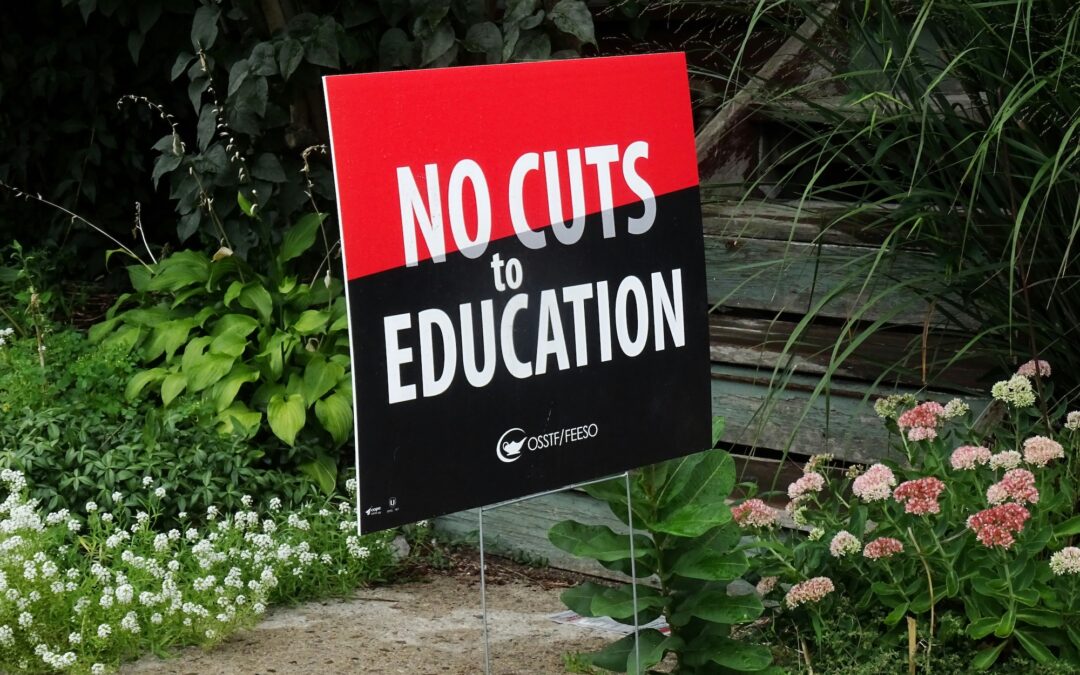
Two waves of budget cuts have hit our region. First, the halt of direct federal support. Then, the unraveling of state and local programs that relied on federal pass-through dollars. The impact has been far-reaching: education, healthcare, early learning, foster care, and elder services have all been affected.
But it’s not just about dollar signs, it’s about dignity.
In many cases, these cuts are eliminating the very programs that were designed to meet students and families where they are. Years of investment in equity-focused strategies, those that differentiated support based on actual community need, are being rolled back. We are seeing the dissolution of bespoke, trauma-informed services in favor of “one-size-fits-all” models that don’t fit anyone well.
It feels like pulling up roots, just as things were starting to bloom.
Our Partners Are Hurting
We see this every day. Partners are telling us:
- “We no longer have capacity to plan ahead—we’re in constant triage.”
- “We’re losing not just staff, but institutional memory.”
- “We’re more siloed, more isolated, and more afraid.”

The spirit of collaboration is still here, but so is scarcity. Scarcity, driven by budget cuts, breeds competition. We’re watching organizations fight to keep the lights on while running on empty. Many are trying to do more with less, and burning out in the process.
And yet, there’s resilience.
We’re drawing from the playbook we built together during the pandemic—when collective action wasn’t optional, it was essential. Through the COVID-19 Response CAN, we learned how to act quickly, share openly, and lead with empathy. Now, those same practices are coming back: real-time data sharing, transparent communication, cross-sector trust.
The Needs Continue to Grow
From Olympia to Bothell, we’re hearing the same thing: services that were once lifelines are now gone or fading fast. This includes:
- Prenatal care and maternal health support
- Early learning programs
- Food assistance
- Preventive and primary healthcare
- Social-emotional and mental health services
- Public education infrastructure
These needs aren’t going away, but budget cuts are stripping away the supports that once helped meet them.
As the Washington State School Directors’ Association (WSSDA) notes in a recent article, Washington’s tax structure is regressive—meaning those with the least income pay the highest share in taxes. In effect, our current system allocates fewer dollars to school districts serving more students of color and students from lower-income households. (Read more here: WSSDA article)
How Eastside Pathways and Our Community Is Responding
At Eastside Pathways, we’re leaning into what we do best: supporting systems-level solutions through collaboration, data, and relationship-building.
Here’s what that looks like right now:
- Facilitation and Convening – We’re bringing partners together across education, health, housing, and advocacy to coordinate responses and amplify what’s working.
- Data and Communications Support – Sharing real-time data to identify gaps and opportunities and keeping community partners informed and aligned.
- Emergency Micro-Funding – Supporting events, classrooms, and partners experiencing acute need.
- Rapid-Response Task Forces – Supporting teams working on short- and long-term solutions to reduce harm and prevent systemic collapse.
- Summer Planning Series – Hosting sessions to strategically assess community-wide needs and build a systems-based recovery roadmap.

We’re also uplifting and celebrating the powerful leadership across our partner network, from those pivoting programs overnight to those reaching across sectors to build new, critical relationships in a time of unprecedented transition.
What Comes Next: Strategic Cuts Meetings
This summer, we are hosting a series of Strategic Cuts Community Meetings aimed at building alignment, trust, and coordinated response across East King County. These meetings are a direct response to the ongoing budget cuts and their far-reaching impact on local programs and services.
Our goals:
- Shared Understanding – Explore the impacts of cuts from a student- and system-level lens, not just an organizational perspective.
- Community Navigation – Ensure our community knows where they can still access support—even if a program has ended.
- Unified Advocacy – Codify shared priorities to influence policy and funding decisions moving forward.
- Relationship Rebuilding – Reconnect teams across sectors as roles and staffing continue to change.
- Resource Braiding – Return to the creative, collaborative practices that helped us during COVID-19.
Upcoming Meetings:
Strategic Cuts & Mutual Aid Taskforce Series
Who Should Attend: Executive-level leaders (Invite Only)
The beginning of this meeting series brings together executives from across East King County to collaborate on cross-organizational adjustments and explore mutual aid solutions. Together, we’ll focus on safeguarding and strengthening our hyper-local network to support the well-being of our children, youth, and families. These rapid-response meetings are critical in navigating the ripple effects of ongoing funding and policy changes, while reinforcing our collective commitment to equity and resilience.
We Must Lead with Humanity
This moment calls for deep empathy and even deeper partnership. We cannot out-organize a broken funding structure alone, but we can outlast it together. We’re holding space for hard conversations. We’re advocating for students. We’re helping leaders reimagine what’s possible, even as we grieve what’s been lost to budget cuts. Now more than ever, our work must reflect our values: communal, connected, equitable, adaptive, and empowered.

Let’s keep showing up. Let’s keep building forward. Together.
– Blog written in part by Kalika Curry, Executive Director