Ages & Stages: Talk to Action – Session 1 Recap
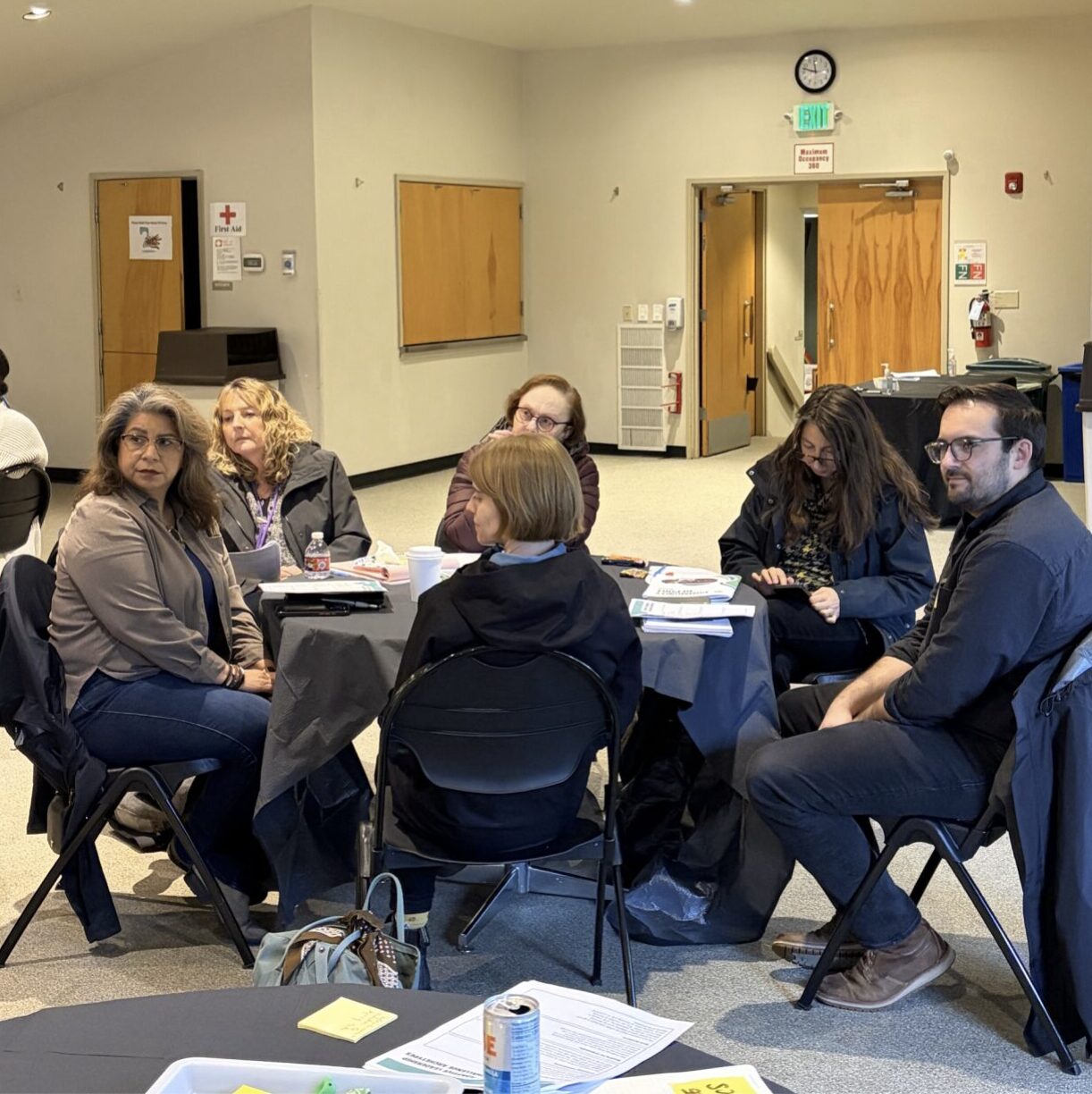
March 19th marked the collaborative launch of our Talk to Action series, bringing partners together to strengthen the foundation of our Collaborative Action Networks (CANs). This first session focused on deepening alignment and assessing both organizational and personal leadership readiness needed to move the work beyond its current state. Eastside Pathways partners engaged in rich discussions about adaptive leadership challenges and the types of conflicts that often create barriers to advancing systems‑level change across our network.
This series is intentionally designed to foster cross‑pollination of Results, Relationships and Resources —our 3R Framework—so that partners can collectively design effective interventions for the 2026–2027 school year.
Despite continued reduced capacity across the network, partners demonstrated strong connection to shared root‑cause issues across outcome areas and organizations. At the intersection of decreased funding and increased demand for services, the value of collaboration becomes even more apparent—no single organization can meet the growing needs of our community alone. To maintain or accelerate outcomes for children and families, the path forward is clear: strong partnerships create reliable pathways for children, youth, parents, and caregivers.
We extend our deep gratitude to the members of our Data Council and Parent Caregiver Council who joined Session 1 and contributed their invaluable insight and expertise. Their voices remain essential as we continue this journey toward stronger alignment, shared accountability, and collective action.
Session 1: Diagnostic Toolkit
Adaptive Leadership Challenges Archetypes
During the session, participants engaged in deep discussions on the adaptive leadership challenges we face in systems change. These challenges range from compounding impacts of change or the lack there of, consistency in delivery and competing commitments across both macro and micro issues. By identifying and acknowledging these challenges, we are better equipped to develop strategies to effectively work together.
Types of Conflict
Another key topic of discussion was the various types of conflict that drive the status quo. Whether it is structural or value based conflict, recognizing the dynamism of conflict is crucial in finding durable solutions.
3R Framework
Results, Relationships and Resources (3R) Framework maps the critical elements that make multi-layered strategy alignment and implementation impactful. By focusing on these strategic levers we build long-term, impactful partnerships rather than focusing solely on one-off tactics or interventions. This diagnostic framework aligns with our value for relationships by centering connections to drive consistent growth
Factors Analysis
CAN members also shared robust insights on the factors driving the status quo in our community, using the Factor Analysis method. In their reflections we noted systemic barriers, resource constraints, or historical inequities. By understanding these factors, we can pinpoint areas where we are best equipped to develop innovative solutions and interventions.
As we continue with this series of collaboration sessions, we aim to build on the momentum generated in our first meeting. By leveraging the diverse expertise and lived experiences of our partners, we are confident in our collective ability to drive meaningful change across the education landscape of our community.
In Session 2, we will deepen this work by identifying where collective action is most needed to accelerate change. Whether it involves strengthening communication channels, coordinating comprehensive family engagement strategies, or advocating for policy shifts, we are now better prepared to take concrete steps toward our shared goals.
We invite all partners to join us for the next session as we continue moving from talk to action. This work moves at the speed of trust and engagement—and your participation is essential. Together, we can build strong, reliable pathways that support children, youth, and their parents and caregivers across our community.
Strategy & Alignment
Join us for the next 2hr intensive collaboration workcycle designed for Eastside Pathways partners to define 2026-2027 implementation scope, decision‑makers, and needed cross‑org supports.