
Reflections from Our First Early Learning Co-Development Session
On a warm summer evening, families, caregivers, community partners, and advocates gathered at KidsQuest Children’s Museum for the first Early Learning Co-Development Session hosted by Eastside Pathways and our Early Learning Collaborative Action Network (CAN). Together, we created something powerful: a space where Black and African families could speak honestly about their experiences, share wisdom with one another, and help shape a resource that will support future generations.
This session is part of a larger initiative to co-create a community guide for families with young children. The stories, experiences, and recommendations shared by participants will help inform a publication that will be released this fall and made available through the King County Library System so that families throughout our region can learn from the collective wisdom of their community.
Creating Space for Honest Conversations
Executive Director Kalika Curry opened the evening by sharing the purpose of the project and inviting participants to help build a resource that reflects the realities, strengths, and experiences of Black families in our community.
The conversation quickly turned to topics many families carry every day: navigating schools, advocating for their children, experiences with racism, housing instability, access to information, and the emotional toll of constantly having to prove that their concerns are valid.
Participants spoke candidly about what it feels like to work harder than others just to receive the same opportunities. Several described having to repeatedly advocate for their children before being heard. Others reflected on the harmful stereotypes they confront and the frustration of having their concerns dismissed as overreactions rather than being taken seriously.
One participant shared that true care is demonstrated through action, integrity, consistency, resources, time, and effort, not simply words of sympathy. That sentiment resonated throughout the room.
Building Trust
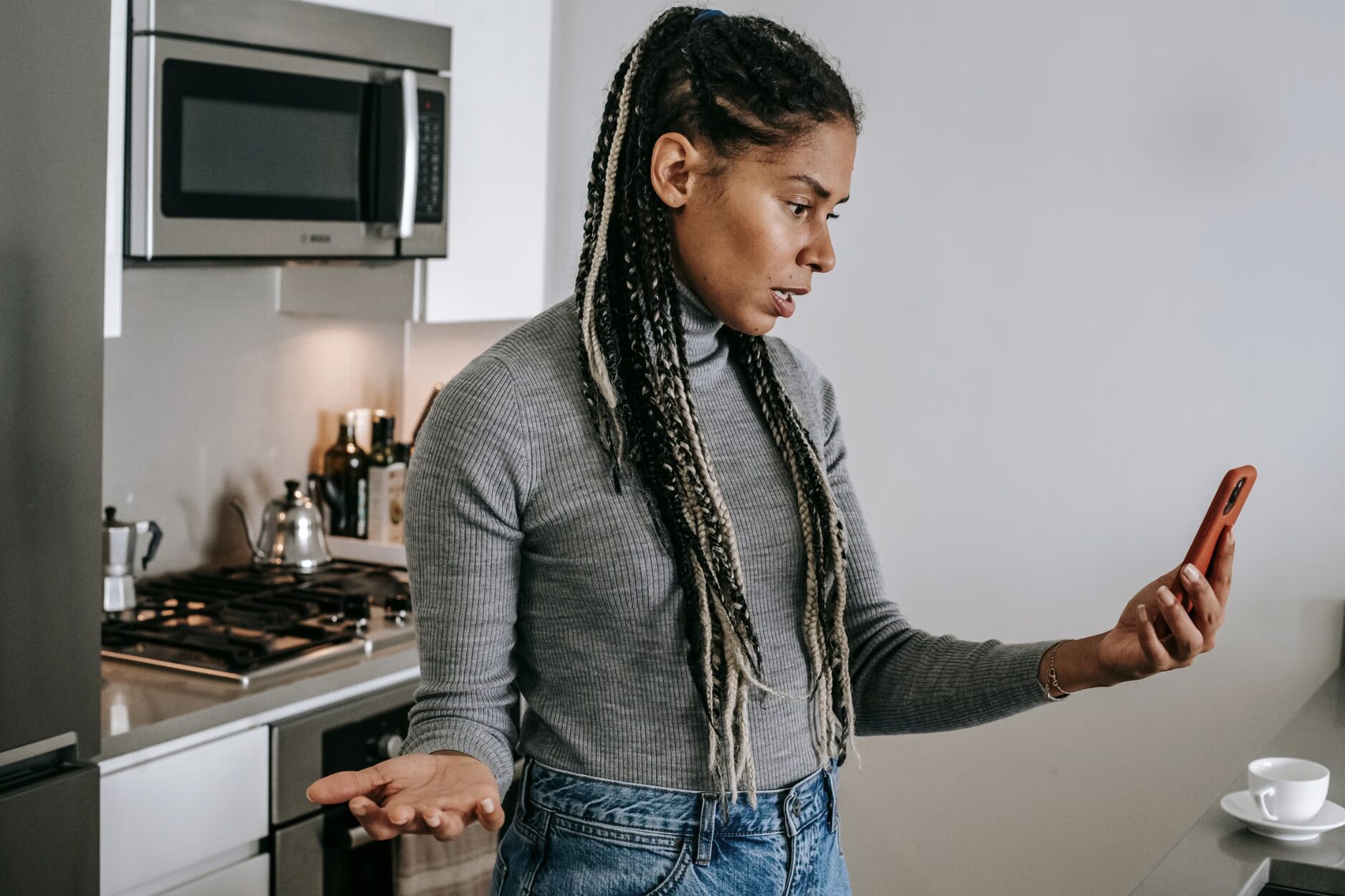
“I want to be believed, the first time. Instead I have to wait for them to see it, and they wait until they see a pattern in order for my child to get support. I know they have a lot of kids to teach but it’s exhausting! Just believe me!”
Understanding the Many Experiences Within Black Communities
The discussion highlighted an important truth: there is no single Black experience.
Families discussed differences between African American families and immigrant communities, as well as the diversity that exists within immigrant populations themselves. Participants described how families arrive in the United States through different pathways, bring different cultural traditions, and often have varying levels of familiarity with American school systems and public services.
Parents spoke about the challenges of navigating unfamiliar systems, understanding how schools operate, accessing grades and educational resources, and learning how to advocate effectively for their children.
Participants emphasized the need to work more intentionally with trusted community-based organizations that already have strong relationships within diverse Black communities. Those local organizations can serve as critical bridges that help families access information, resources, and support.
The Need to Be Heard and Believed
A recurring theme throughout the evening was the importance of being believed.
Families shared stories of having to over-advocate, repeatedly explain their experiences, and push harder than others to receive support or attention. Participants expressed frustration that concerns about racism or inequity are sometimes minimized or interpreted as complaints rather than legitimate experiences.
Kalika reflected that while translation services can help address language barriers, racism requires much deeper solutions. Technical fixes alone cannot solve systemic issues.
The group also discussed the reality that meaningful change can be difficult when communities are underrepresented in decision-making spaces. Participants emphasized the importance of civic engagement, local leadership, and voting, while also acknowledging the fatigue many long-time advocates experience when they feel their voices are not producing change.
Wisdom Shared Parent to Parent
One of the most inspiring parts of the evening was hearing families share practical advice with one another.
Parents encouraged one another to:
- Build relationships with teachers before problems arise.
- Join school communities and participate in organizations like PTAs.
- Introduce themselves to other parents.
- Stay engaged through regular conversations with teachers and their kids, daily “debriefs”.
- Show up consistently so educators know their children are supported.
Participants noted that strong relationships can help challenge stereotypes and build mutual understanding long before conflict occurs.
Several parents also emphasized that schools share responsibility for building those relationships. While many families are willing to engage, not every parent feels comfortable navigating school systems or knows where to begin. Schools must play an active role in welcoming and connecting with families, especially families who have historically been marginalized.
Affirming Our Children
As the evening continued, the conversation shifted toward one of the most important questions of all:
What do you want people to know about your children?
Parents shared hopes that their children would know they are valued, maintain high expectations for themselves, and define success on their own terms.
Families exchanged resources that help children see themselves reflected in positive ways, including books, educational materials, mentorship opportunities, community programs, cultural experiences, and local organizations that highlight the accomplishments of Black leaders, innovators, and professionals.
Participants also spoke about the importance of simply listening.
Sometimes the best support a parent can offer is creating space for children to speak openly, process experiences, and know they are heard without judgment.
Looking Ahead
The evening demonstrated both the challenges families face and the incredible strengths that already exist within our community.
Participants shared strategies, resources, and hard-earned wisdom. They challenged assumptions, identified barriers, and offered solutions. Most importantly, they showed what becomes possible when families are given a meaningful opportunity to shape the systems intended to serve them.
This is only the beginning.
The insights gathered during this first session will help inform our community guide, which will be published later this fall and available through King County Library System locations. We believe this resource will become more than a guide. It will be a reflection of community knowledge, resilience, advocacy, and hope.
Join Us for the Next Conversation
There is still time to add your voice.
Future co-development sessions will continue exploring how schools, providers, and community organizations can better support Black children and families. Participants will help shape recommendations, resources, and strategies that will ultimately be shared in the final publication.
If you are a parent, caregiver, educator, or community member who wants to be part of creating stronger and more equitable early learning experiences, we invite you to join us.