Listening, Learning, and Building Together: Reflections from Our Second Co-Development Session
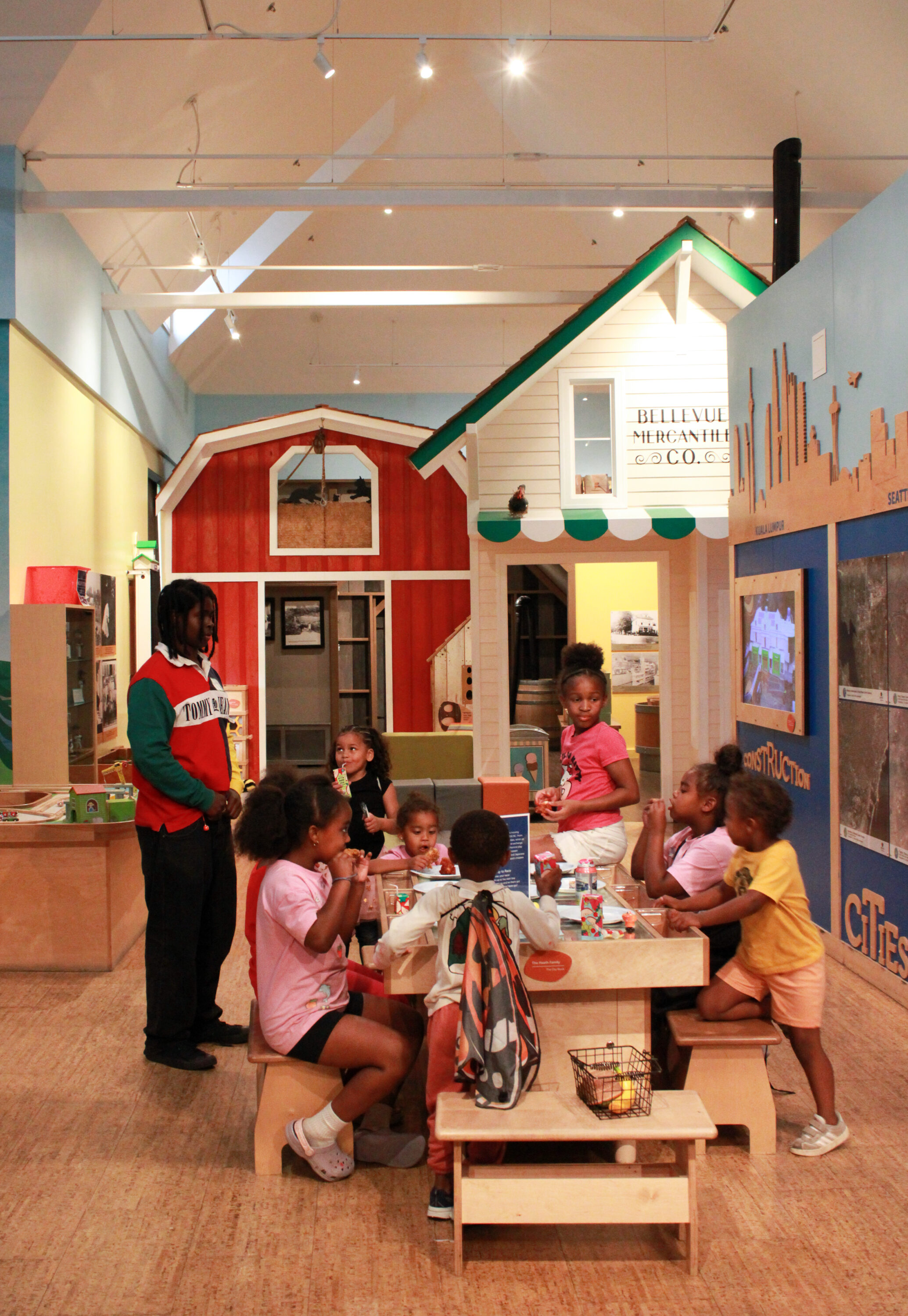
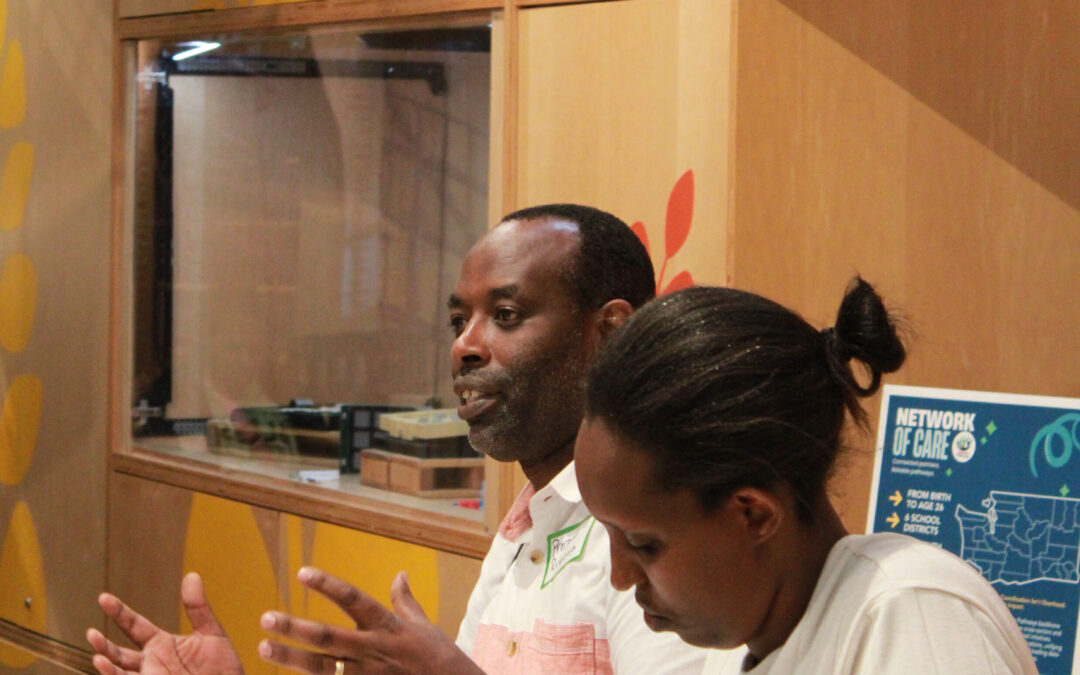
At Eastside Pathways, we believe the people most impacted by systems should help shape them. That belief guided our second Early Learning Co-Development Session, where Black and African parents and caregivers came together to share their experiences, insights, and hopes for creating more responsive and affirming systems for families. Hosted in partnership with KidsQuest Children’s Museum, the session created space for honest conversation, collective learning, and community connection. We are deeply grateful to every parent who showed up, shared their stories, and entrusted us with their experiences. We also want to thank KidsQuest Children’s Museum for welcoming us into a space where learning, play, and community could happen side by side.
One of the most beautiful aspects of the gathering was the presence of children. Their laughter, curiosity, and energy reminded us what this work is all about. As parents and grandparents engaged in deeply personal conversations, children explored, played, and interacted around them. The contrast was powerful: stories of vulnerability and challenge unfolding alongside the joy and wonder of childhood.
Birthing Stories, Advocacy, and Being Heard
A central theme of the conversation focused on pregnancy, birth, and the first year of a child’s life. Parents shared experiences that ranged from empowering to deeply frustrating. Several participants described navigating high-risk pregnancies while feeling unsupported, uninformed, or dismissed by healthcare providers. Others reflected on births during the COVID-19 pandemic, when restrictions and isolation made an already vulnerable experience even more challenging. Families spoke about not always understanding their rights, not knowing what questions to ask, and feeling uncertain about decisions being made around their care.
One conversation that resonated strongly across the room was the experience of both birthing parents and their partners. Several participants reflected on how difficult it was to feel included, informed, and empowered during labor and delivery. One father shared how he was asked to leave during a medical procedure without understanding why, leaving him feeling disconnected from the experience and uncertain about his role as an advocate. Others spoke about how COVID-era restrictions amplified feelings of isolation and confusion.
A recurring takeaway was that many families felt the quality of support and communication declined during and after the pandemic. Parents described a lack of information, limited emotional support, and the disappearance of the “village” that previous generations often relied upon. The combination of medical uncertainty and social isolation left many families feeling that they had to navigate some of life’s most important moments largely on their own.
Throughout the discussion, participants emphasized the importance of advocacy. Families spoke about birthing plans, understanding their rights, asking questions, and ensuring their voices were heard. Yet they also acknowledged that advocacy does not come naturally to everyone.
The Influence of Family Culture
As the conversation shifted into toddlerhood and early childhood, participants explored how their own upbringing influences the way they parent today. Parents discussed the cultural norms, family expectations, and communication patterns they experienced as children.
One of the most powerful insights emerged around voice and self-advocacy. Parents reflected that those who grew up in environments where children were expected to be “seen and not heard” often found it harder to advocate for themselves as adults, particularly in high-stakes or emotionally charged situations such as childbirth, healthcare appointments, or interactions with schools. In contrast, parents who were encouraged to ask questions, express opinions, and participate in family decision-making described advocacy as something that came more naturally, even when facing difficult circumstances. This insight sparked meaningful reflection about how early childhood experiences shape confidence, boundary-setting, and self-advocacy throughout life.
Many parents shared that they are intentionally raising their children differently than they were raised. They talked about listening more closely, getting down at their children’s level, validating emotions, and ensuring their children know their voices matter. As one parent reflected, when children learn early that they are heard, they grow into adults who believe they deserve to be heard as well.
Raising Black Children in Systems That Weren’t Designed for Them
The conversation also explored the realities of raising Black children within educational systems where families often feel misunderstood, unheard, or judged. Parents shared concerns about racial bias, differing expectations for Black children, and the additional advocacy required to ensure their children receive the care they deserve. Participants spoke candidly about teaching their children how to navigate a world that may perceive them differently while simultaneously affirming their worth, identity, and potential.
These conversations reinforced what we have heard across both co-development sessions: relationships matter, communication matters, and families want to be treated as trusted partners. Parents are experts in their own children and want systems that listen, believe, and collaborate with them rather than dismissing their experiences.
What We’re Taking Forward
This session was not about finding quick solutions. It was about listening deeply, learning from lived experience, and building a stronger understanding of what families need from healthcare providers, early learning systems, schools, and community institutions.
We left with a deeper appreciation for the resilience of Black and African parents and caregivers who continue to advocate for their children, often while navigating systems that do not always recognize or value their expertise. We also left inspired by the commitment parents showed to creating something different for the next generation, nurturing children who know their voices matter and who feel empowered to advocate for themselves and others.
To every parent and caregiver who joined us: thank you. Your honesty, vulnerability, wisdom, and willingness to share your experiences are helping us build a more responsive and equitable future for children and families.
This work is stronger because of you.