The earliest years of a child’s life are filled with milestones.
A healthy pregnancy. A safe birth. A baby’s first year. First words. Early learning. Entering preschool and kindergarten. Learning to navigate new relationships, institutions, and expectations.
At every stage, parents and caregivers are making decisions that can shape their child’s future. Yet too often, families are expected to navigate these critical moments without complete information, trusted relationships, or systems designed to hear and respond to what they know about their own children.
At Eastside Pathways, we believe families should not have to navigate those systems alone.
Over the past several months, our Early Learning Collaborative Action Network has been working alongside Black, African American, African, and immigrant parents and caregivers to better understand what families experience during the critical prenatal-to-five years and what needs to change.
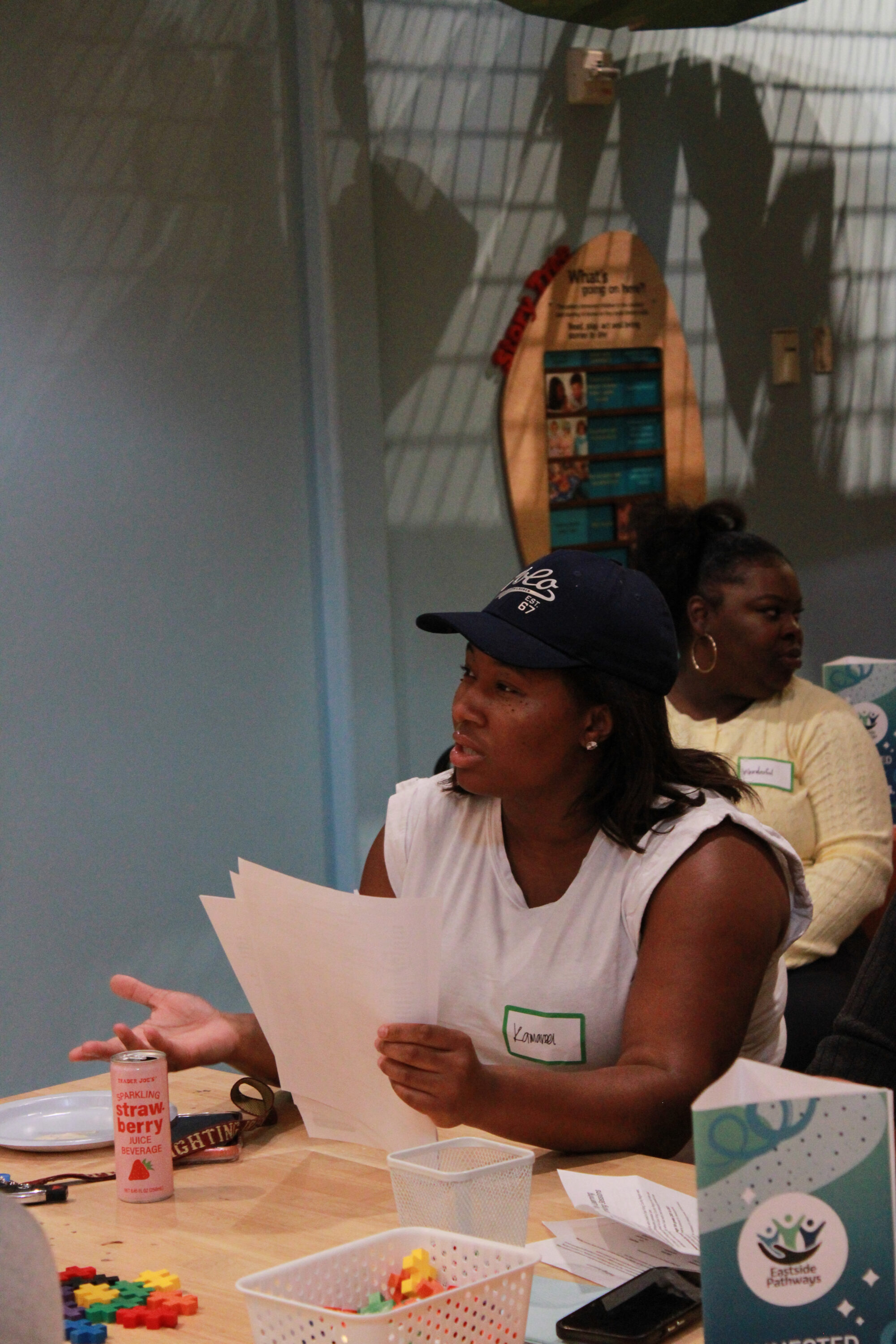
With funding from a King County Best Starts for Kids P-5 Innovation Grant, we launched a co-development process centered on a simple premise: families are experts in their own experiences, and better solutions emerge when families and providers have the opportunity to listen, learn, and build together. Co-Creating Better Early Learning Supports with Families describes the initiative as bringing parents, caregivers, and early learning providers together to design resources reflecting the strengths, experiences, and needs of Black, African American, and African families in East King County.
Why we are starting with families facing some of the greatest barriers
Our decision to center Black and African families is intentional.
The inequities begin incredibly early. In King County, babies born to Black/African American families experience infant mortality at 8.1 deaths per 1,000 births, compared with 3.2 per 1,000 among babies born to White families, according to Public Health – Seattle & King County. The county’s Infant Mortality Prevention Network is explicitly working to address the impact of racism on infant mortality and birth outcomes.
At the same time, local early learning systems are working to address inequities affecting families that have historically been marginalized and underserved, including families that have moved to the United States under duress.
These disparities are why we believe listening must begin with communities experiencing some of the greatest barriers.
But listening is only the beginning.
What parents and caregivers are telling us
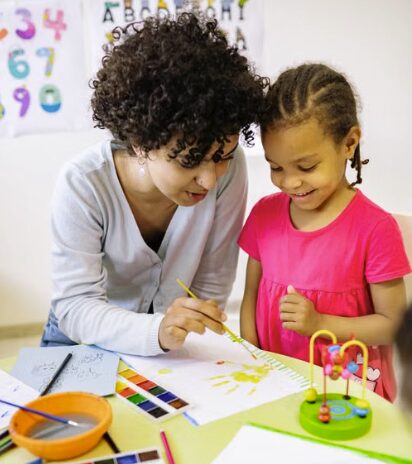
Our co-development conversations have been honest, vulnerable, and illuminating.
Across the sessions, we heard a consistent message:
Families want to be heard, believed, informed, and treated as trusted partners in their children’s lives.
During our first gathering, parents and caregivers talked about navigating schools, advocating for their children, racism, housing instability, access to information, and the repeated effort sometimes required before their concerns were taken seriously. Families also described the challenges of navigating unfamiliar systems and understanding how to access educational resources and advocate effectively for their children.
They also reminded us that there is no single Black or immigrant experience. Families have different histories, cultures, experiences with institutions, and levels of familiarity with American education and public systems. Parents pointed to trusted community-based organizations as important bridges to information, resources, and support.
In our second session, the conversation reached even further back, to pregnancy, birth, and a child’s first year.
Parents shared experiences of high-risk pregnancies, feeling unsupported or uninformed, uncertainty about their rights and care decisions, and the challenges of advocating for themselves during childbirth and healthcare interactions. Families talked about the value of birth plans, understanding their rights, asking questions, and having the confidence and information necessary to make their voices heard.
As the conversation moved into toddlerhood and early childhood, another connection became clear: a child’s early experiences with voice and agency can matter far beyond childhood.
Parents reflected on how their own childhood experiences influenced their ability to advocate for themselves as adults. Many described intentionally parenting differently, listening more closely, validating their children’s experiences, and teaching children early that their voices matter.
Across the conversations, one principle continued to surface: relationships matter. Communication matters. Trust matters.
And information matters, too.
Two kinds of needs require two kinds of response
What we are learning is helping us see a distinction that will shape the next phase of this work. Some of the challenges families identified are relational and systemic.
- How do providers build trust with parents?
- How do schools and early learning organizations create environments where families feel welcomed rather than judged?
- How do we recognize parents as experts on their own children and create opportunities for their knowledge to influence programs and practices?
Other needs are more technical and practical.
- What developmental milestones should parents be looking for?
- What does a family need to know when creating a birth plan?
- What rights do parents have during pregnancy and childbirth?
- Where can families turn when they have concerns about their child’s development?
- Which resources exist, and how do families find them before they reach a moment of crisis?
Our next phase is designed to address both.
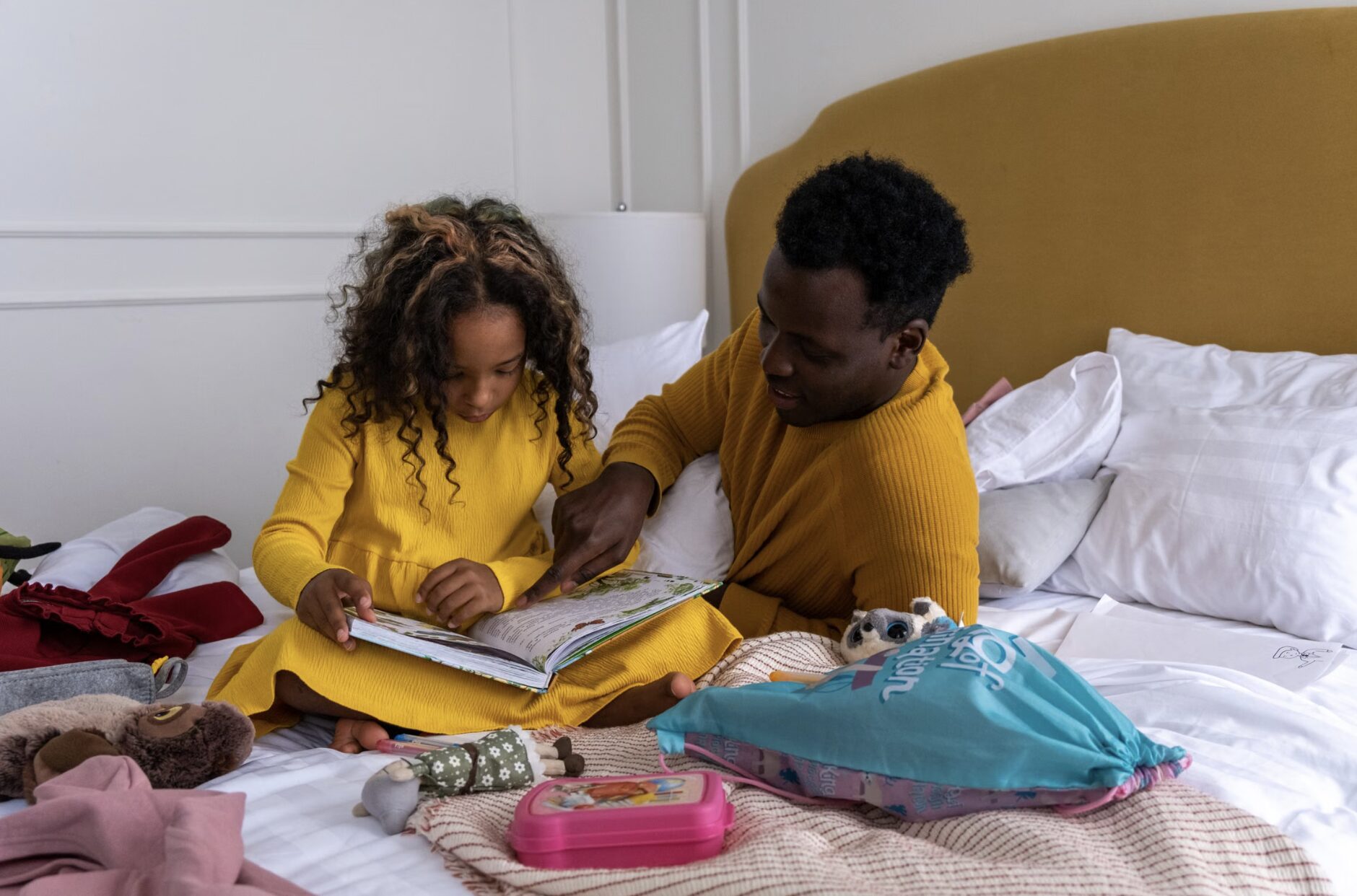
Response One: Turn what families taught us into tools for providers and families
Our first response is to transform the learning from these co-development sessions into practical resources.
The project is developing a caregiver guide alongside a resource for educators and providers. The planned caregiver resource addresses areas such as early literacy, language development, family engagement, and navigating early learning opportunities. The provider resource is intended to include family-centered approaches and strategies for strengthening partnerships with Black and African families.
But we want these resources to do more than sit on a shelf.
We want the learning from parents to reach the people designing programs, interacting with families, and making decisions.
For providers, these insights can help inform how they design engagement strategies, communicate with parents, build trust, and develop approaches that respond more fully to the needs of both the child and family.
For parents, the goal is greater access to useful knowledge and the collective wisdom families have shared with one another.
This is community voice becoming actionable knowledge.
Response Two: Move from information to empowerment
The second response is where we believe this work can grow.
Listening has helped us identify questions that require specialized knowledge. We want to partner with subject-matter experts who can help families respond to the technical needs emerging through these conversations, from understanding developmental milestones to navigating birth planning, parent rights, child development, and other critical points along the prenatal-to-five journey.
Because ultimately, we don’t want to stop at telling families what the challenges are.
We want parents to have tools that help them act.
We want providers to have strategies they can put into practice.
We want families to know what questions to ask, what milestones to watch for, what resources are available, and how to advocate for themselves and their children.
And we want providers to have a deeper understanding of how to respond when families bring their expertise, questions, concerns, and experiences to the table.
That is the shift from listening to learning to action.
Why targeted universalism matters
We are intentionally designing this work by beginning with families experiencing significant systemic barriers while working toward a goal that should belong to every family: children getting a strong, healthy, supported start in life.
This is the promise we see in targeted universalism.
When we design alongside people for whom systems are not working well, we can uncover barriers that might otherwise remain invisible and build stronger approaches to achieving outcomes we want for all children.
A provider who learns to listen more deeply becomes a better partner to families.
A clearer explanation of developmental milestones can help more caregivers recognize when their child may need support.
Better tools for family engagement can strengthen relationships across communities.
And systems designed to respond to families who have too often been overlooked have the potential to become more responsive for everyone.
The ripple effect can extend far beyond the families who participated in our first conversations.
Help us move from listening to action
The Best Starts for Kids grant gave Eastside Pathways an important opportunity to begin this work. It created space to convene families and providers, listen deeply, and begin co-developing resources grounded in community experience.
Now we want to go further.
We want to turn what we are learning into an active response: connecting community wisdom with subject-matter expertise, equipping parents with practical tools, strengthening the capacity of providers, and creating opportunities for families and institutions to solve problems together.
That next step requires additional investment.
With donor support, we can help move this work from information to empowerment, and from understanding barriers to actively addressing them.
Early childhood is too important to leave families to navigate fragmented systems on their own.
These first years lay foundations that children carry forward. And when parents are informed, heard, respected, and equipped to advocate for what their children need, we strengthen not only individual families but the network of care surrounding children throughout our region.
We started by listening.
Families have told us what they need.
Now, with your support, we can help build the response together.