As the 2026 Eastside Pathways Youth Council comes to a close, we are filled with gratitude, pride, and hope.
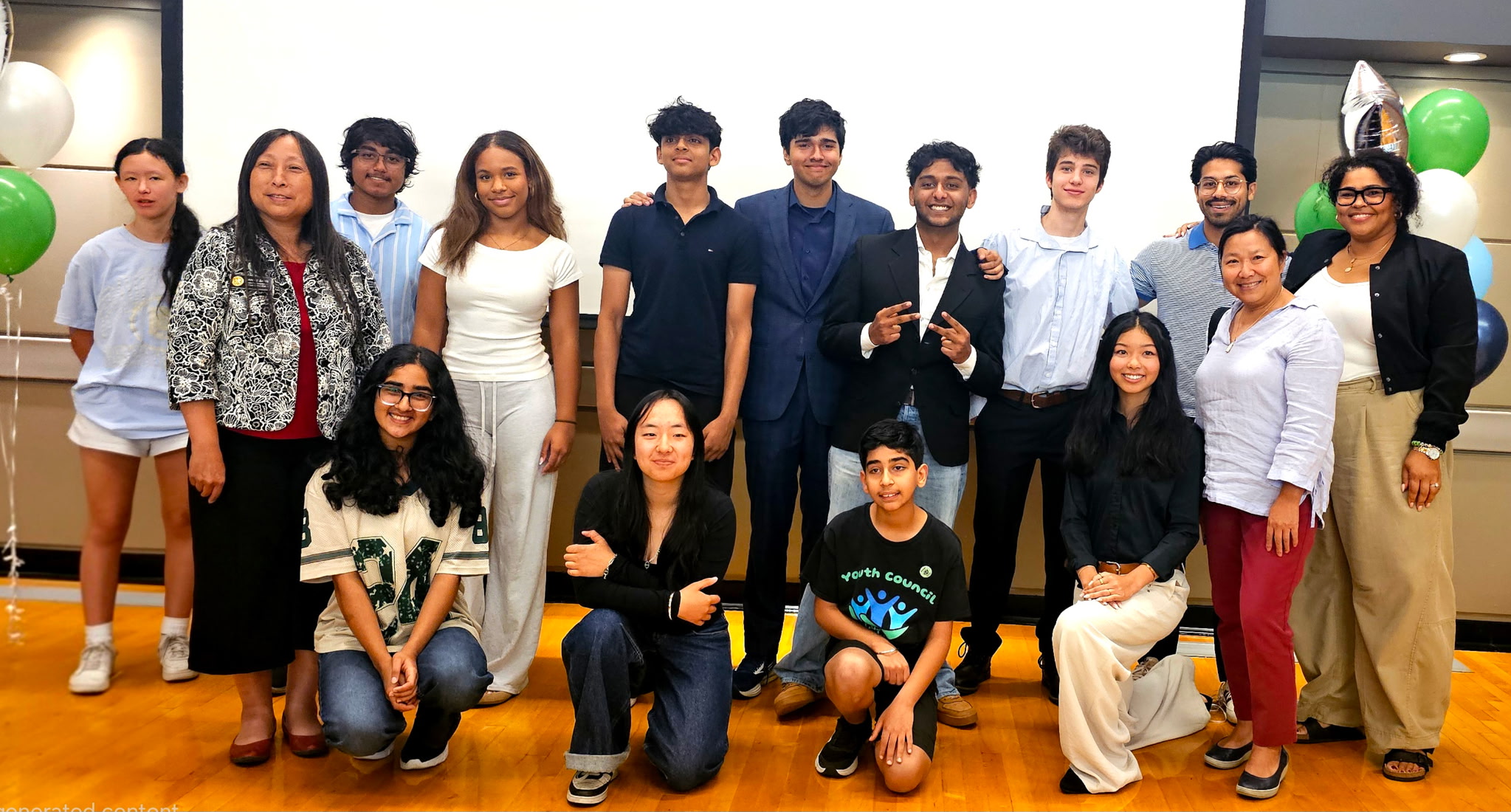
Over the past seven weeks, twelve incredible young leaders from across King, Pierce, and Snohomish counties committed themselves to learning, research, collaboration, and leadership. Together, they demonstrated what we have always believed at Eastside Pathways: young people are not simply the recipients of systems. They are experts in navigating them, visionaries capable of improving them, and leaders who deserve a seat at every table where decisions are made.
This year’s council embodied the spirit of youth-led change from day one. As one returning participant shared during our first session, “Other programs look good, but it’s adults leading. This program isn’t that. We are steering things.” That sentiment became the foundation for everything that followed.
The Power of Twelve Young Leaders
The 2026 cohort brought together twelve youth with diverse backgrounds, experiences, and perspectives. Some were returning members, while others were stepping into leadership spaces for the first time. What united them was a willingness to ask difficult questions, challenge assumptions, and work collectively toward a more equitable future.
Throughout the summer, council members explored issues affecting young people today, examined community data, conducted research, developed recommendations, and learned how to move from personal experience to systems-level solutions. They showed courage in sharing their realities, curiosity in asking deeper questions, and determination in identifying opportunities for change.
- Aahil Jivani
- Aiden Mio
- Anara Hunter
- Elliot Henderson
- Julia Henderson
- Kaamil Siddiqui
- Lauren Sekits
- Maya Shimokura-Lee
- Mehak Grover
- Rishi Sehgal
- Sameer Grover
- Varun Karthik
- Zoe Toguchi
Building Youth Leaders and Community Consultants
The Youth Council is intentionally designed to equip young people with the skills, confidence, and tools to lead and consult alongside community and civic leaders.
This summer’s curriculum guided participants through six core leadership experiences:
* Build Relationships & Explore Identities *
Youth began by developing trust, exploring their cultures, values, and leadership styles, and creating a sense of belonging within the cohort. These relationships became the foundation for authentic dialogue and collaboration.
* Lead Conversations *
Participants learned facilitation skills and explored the Youth Ladder of Participation, setting personal goals for how they wanted to influence decisions and lead change in their communities. Most aspired to move beyond participation toward shared decision-making and youth-led action.
* Analyze Community Data *
Using Eastside Pathways community data and research tools, youth examined trends affecting children, young people, and families. They learned that meaningful systems change requires both data and lived experience to fully understand community challenges.
* Choose What Matters Most *
Council members reflected on the factors influencing student success and well-being, identifying issues that consistently appeared across their lived experiences and community research.
* Develop & Refine Solutions *
Working collaboratively, youth moved beyond identifying problems and began designing solutions. They considered root causes, community impact, feasibility, and opportunities for collective action.
* Present to Leaders *
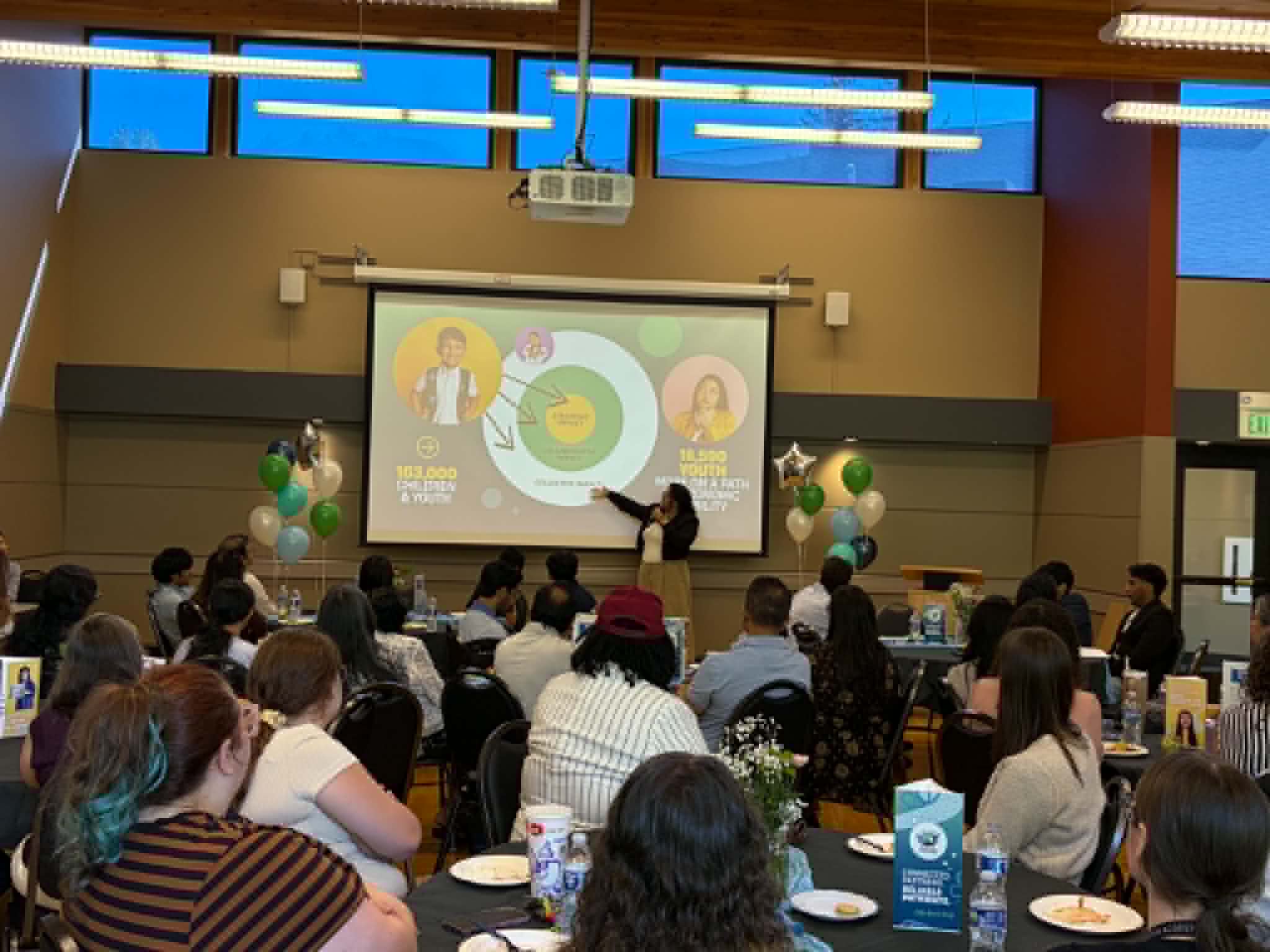
The culmination of the program was Presentation Day, where youth shared their findings and recommendations with families, community members, partners, and leaders committed to improving outcomes for young people.
Youth Voices Driving Systems Change
Throughout the summer, council members engaged in deep conversations about what helps young people thrive and what creates barriers to success.
Their research began with a careful examination of student experiences. Youth identified challenges including academic pressure, transportation barriers, lack of access to extracurricular opportunities, mental health stigma, inconsistent support systems, and gaps in representation. They challenged adults to recognize that student success is shaped by far more than what happens in the classroom.
As their work progressed, participants moved from identifying concerns to gathering evidence, analyzing trends, and exploring solutions. They learned how organizations use data, surveys, interviews, focus groups, and community engagement strategies to understand complex issues and measure progress.
By Presentation Day, youth leaders had focused their work on three critical systems-impact areas:
Homelessness
Youth explored how housing instability affects educational access, well-being, belonging, and long-term opportunities. Their recommendations challenged adults to think more deeply about the connection between stable housing and positive youth outcomes.
Mental Health
Young people shared powerful insights about stigma, access to support services, counselor availability, and the importance of creating environments where youth feel seen, heard, and supported. Mental health emerged as one of the most urgent issues influencing student success.
Transportation
Transportation was one of the most consistent themes raised throughout the summer. Council members described how transportation access shapes participation in school activities, employment opportunities, programs, and social connections. Their research highlighted how transportation can either expand opportunity or create invisible barriers that adults often overlook.
Together, these presentations reflected what happens when young people are trusted to analyze systems, identify gaps, and offer solutions grounded in lived experience.
Thank You to Families
Behind every Youth Council member is a network of support.
To the parents, caregivers, grandparents, siblings, and family members who encouraged participation, provided transportation, adjusted schedules, attended presentations, and championed these young leaders every step of the way: thank you.
Your investment made this experience possible. You helped create the conditions for young people to build confidence, develop leadership skills, and discover the power of their voice. We are grateful for the trust you placed in Eastside Pathways and honored to have partnered with your families this summer.
Thank You to Our Investors
Programs like Youth Council are possible because visionary investors believe that young people deserve opportunities to lead.
We extend our deepest appreciation to the Tulalip Cares Fund, Microsoft, and the City of Kirkland for investing in youth leadership, civic engagement, and systems change.
Your support allowed young people to receive leadership development, gain research and public speaking experience, earn stipends for their contributions, and engage directly with community leaders. Most importantly, your investment communicated a powerful message: youth voice matters.
Looking Ahead
As we celebrate the conclusion of the 2026 Youth Council, we are reminded that this is not the end of a program. It is the beginning of the next chapter in each participant’s leadership journey.
The recommendations shared by these twelve young leaders will continue to inform conversations, influence priorities, and strengthen our collective understanding of what young people need to thrive.
At Eastside Pathways, we believe systems improve when those most impacted by them help shape them. This year’s Youth Council showed us exactly what is possible when we move beyond listening to youth and begin partnering with them as co-designers of a better future.
To our twelve council members: thank you for your courage, your honesty, your leadership, and your vision.
You challenged us to think differently. You helped us see more clearly. And you reminded us that the future is strongest when young people help build it.