Youth Council Takes a Deep Dive Into Student Experience, Empathy, and Designing for Belonging
This week, Eastside Pathways’ Youth Council continued its journey of developing leadership skills while helping adults better understand the realities of being a young person today.
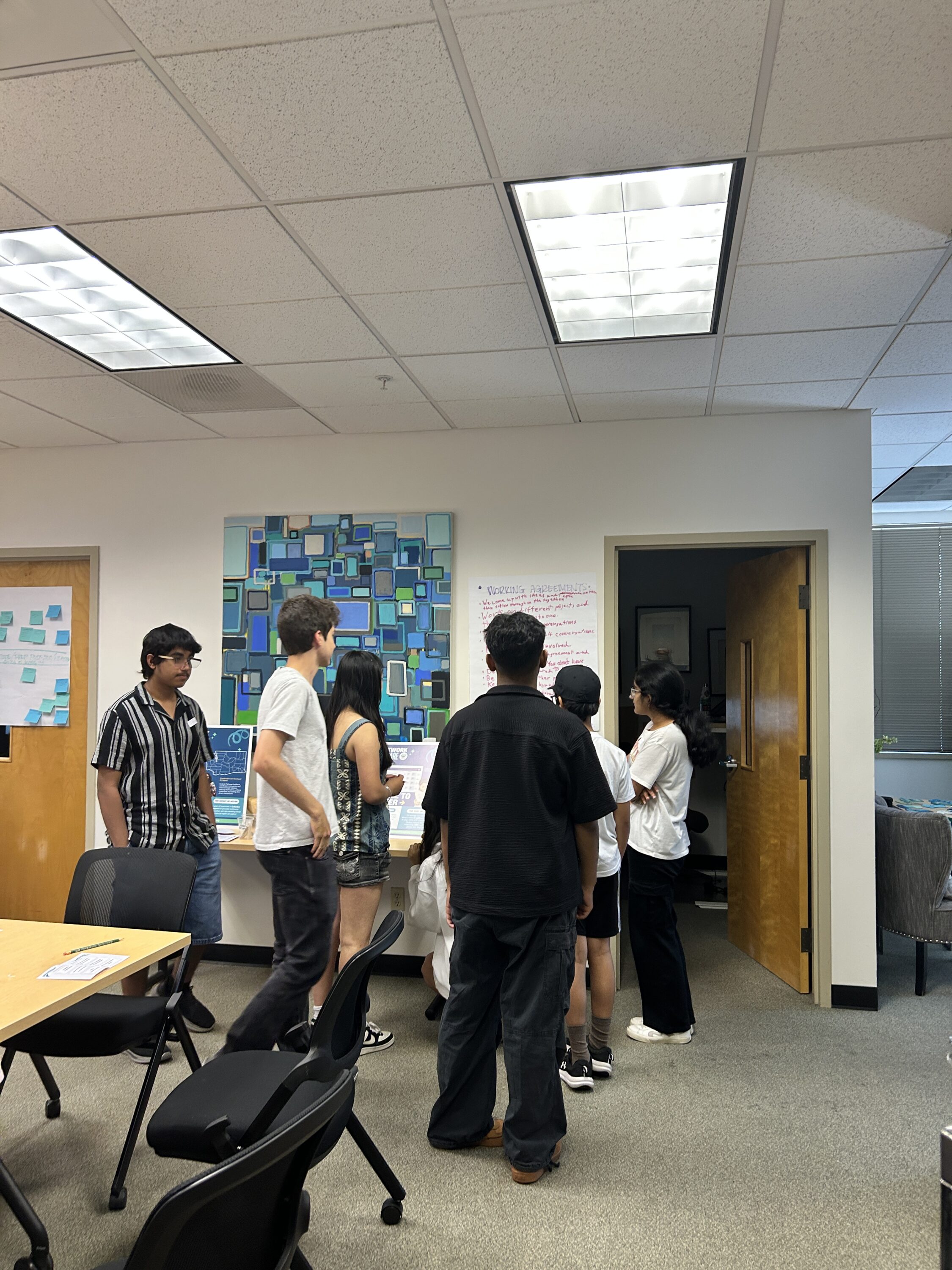
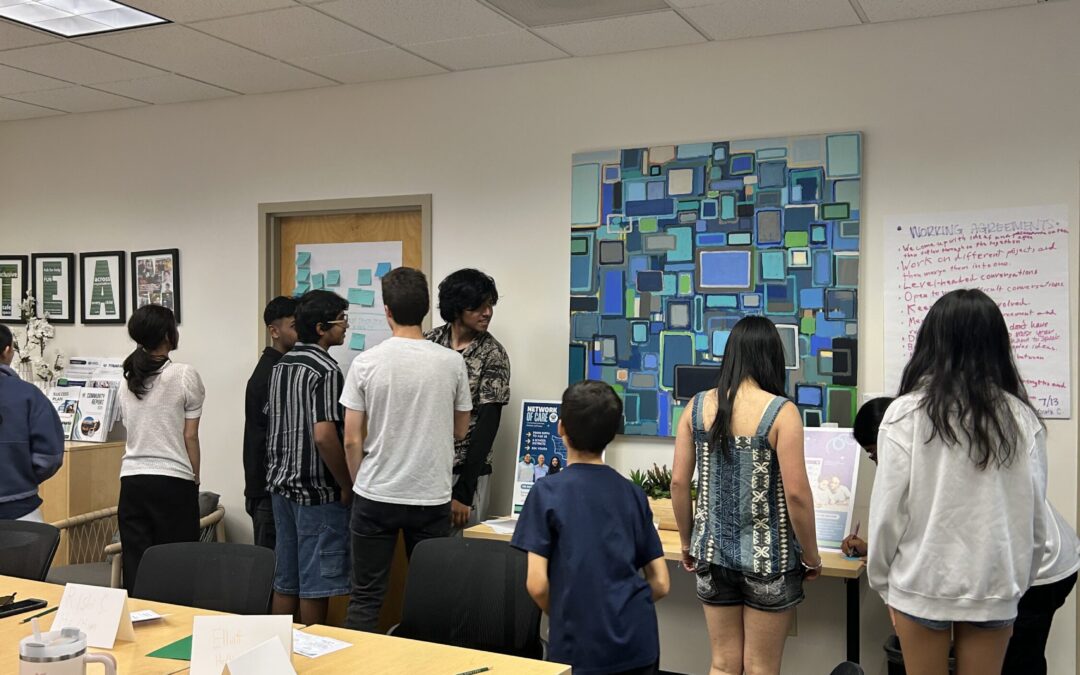
What began with laughter, connection, and a few fun facts quickly evolved into the first of many thoughtful conversations of the summer as Youth Council members explored the factors shaping student experiences, practiced empathy-centered design, and challenged adults to think differently about how systems are built.
Getting to Know Our Youth Leaders
We kicked off the afternoon by sharing fun facts and learned more about one another. While simple on the surface, these activities help build trust, strengthen relationships, and create the sense of community that allows deeper conversations to flourish.
That foundation proved essential for the work that followed.
Exploring Student Experience Through Factor Analysis
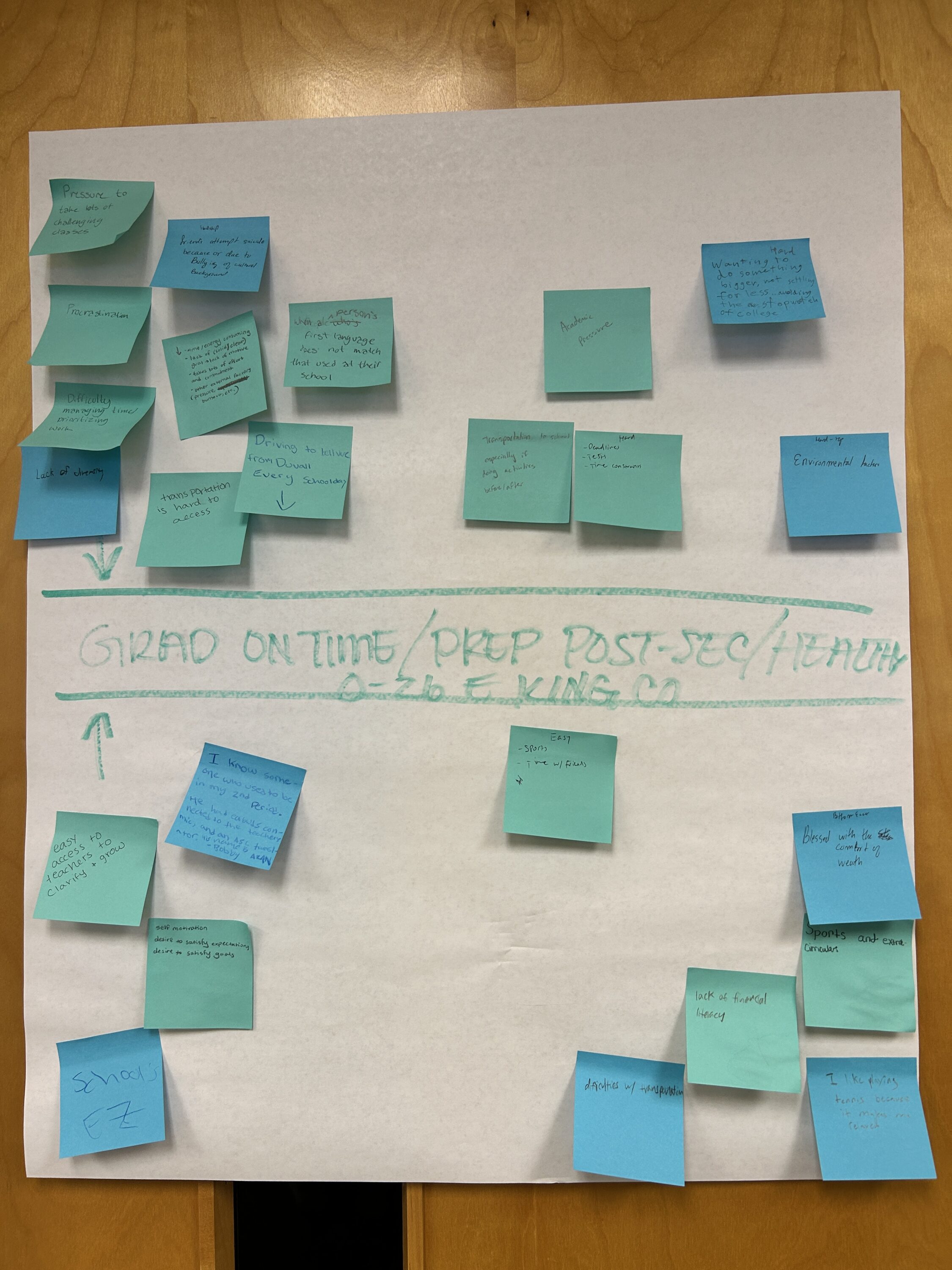
Youth Council members were introduced to the concept of factor analysis—a process used by researchers, organizations, and decision-makers to identify patterns within large amounts of information.
Rather than focusing on individual experiences alone, youth worked together to identify broader themes influencing their educational journeys and overall well-being.
The group explored both deltas (factors creating barriers) and pluses (factors helping students thrive).
What Youth Identified as Barriers
The conversation quickly revealed that student success is influenced by far more than what happens inside a classroom.
Youth highlighted:
-
- Academic pressure
- Peer pressure
- Transportation challenges
- Language barriers
- Environmental factors such as extreme weather events; e.g. heatwaves and snow in March?!?
- Lack of access to sports and extracurricular activities
- Gender-based limitations within athletics
- Limited after-school programming
- Mental health stigma
- Inadequate counselor-to-student ratios; they don’t have enough time to actually help
- Inconsistent teaching quality, especially if you have a learning disability
- Lack of cultural representation among educators
- School curricula that students feel unprepared to navigate
- Perceptions that youth are not capable of meaningful growth and leadership
Transportation emerged as a particularly rich discussion.
Youth shared experiences of living outside bus service areas, navigating public transportation, relying on rides from family members, and dealing with safety concerns on buses. Some students spoke about attending schools far from where they live due to family moves or school choice programs, creating additional barriers to participation in after-school activities and events.
One student reflected that transportation challenges often influence participation opportunities in ways adults may not fully recognize.
The discussion also highlighted concerns about educator diversity.
A particularly powerful insight emerged when Youth Council members reflected on their relationships with teachers.
Only 1 out of 12 Youth Council members reported having a cultural connection with a teacher.
While youth noted that having the same racial, ethnic, or cultural identity is not necessarily required for a strong relationship, they emphasized the importance of having adults in schools who understand their lived experiences and create environments where students feel seen, understood, and comfortable asking for support.
Mental Health Matters
Mental health proved to be one of the most important themes of the day.
Youth described the intense academic pressures many students experience, alongside a persistent stigma surrounding mental health challenges. While 11 out of 12 Youth Council members reported be aware of having access to a counselor at school only 6 reported meeting with their student counselor.
One member shared a story about a friend who survived a suicide attempt, explaining that fear of being labeled or judged prevented many students from openly discussing what they were experiencing.
The conversation reinforced a critical message for adults:
Just because students say they are okay doesn’t mean they are okay.
Youth emphasized the need for schools and communities to normalize conversations about mental health and ensure adequate support systems are available.
What Helps Students Thrive
Despite the challenges, Youth Council members were equally passionate about discussing what works.
Among the factors supporting student success were:
Sports and Athletics
Youth described sports as a source of:
-
- Motivation
- Community
- Accountability
- Improved mental health
Many noted that maintaining grade eligibility helped them stay focused academically while participation itself fostered belonging and connection.
Extracurricular Activities
Youth repeatedly emphasized the importance of clubs, activities, and opportunities outside traditional classroom settings.
These spaces help students:
-
- Build friendships
- Discover interests
- Develop leadership skills
- Create support networks
Meaningful Support Systems
Students identified teachers, counselors, parents, peer mentors, PTSA programs, and other students as critical contributors to their well-being.
However, they emphasized that having access to support is not enough—those supports must have the capacity and time to build authentic relationships.
Responsive Educators
One of the strongest positive themes centered on educators who actively seek and respond to student feedback. Youth appreciated teachers who ask:
“What can I do better?”
And more importantly, teachers who actually make changes based on what students share.
Building Empathy Through Persona Mapping
Perhaps the most insightful activity of the day was the Youth Council’s empathy exercise.
Using a lottery-style system, youth randomly generated personas with a wide range of identities and lived experiences.
Each persona included characteristics such as:
-
- Nationality
- Race and ethnicity
- Gender identity and expression
- Language
- Behavioral health considerations
- Diverse abilities and disabilities
- Family and community circumstances
Council members then explored discussed a “day in the life” experience, exploring the barriers, opportunities, emotions, and decisions a person might encounter while navigating systems that were not designed with their needs in mind. The exercise sparked powerful conversations about equity, access, and belonging.
More importantly, it helped youth understand why human-centered design practices such as empathy exercises, user experience (UX) research, and persona mapping matter.
Moving Beyond Universal Design
One of the key lessons from the day was the difference between designing for everyone and designing for specific needs. Youth explored how universal design often assumes people have similar experiences.
By contrast, targeted design intentionally considers the barriers faced by specific groups, while targeted universalism seeks universal outcomes through strategies tailored to different populations.
The session challenged participants to think critically about how schools, public systems, programs, and policies are created. If we truly want every young person to graduate on time, feel prepared for post-secondary opportunities, and be ready for what comes next, we must first understand that different students face different barriers.
Design begins with empathy.
And empathy begins with listening.
Looking Ahead
As the Youth Council prepares for their upcoming Presentation Day and community engagement opportunities, the insights gathered this week will help inform recommendations for educators, policymakers, families, and community leaders.
The message from our youth was clear:
Students know what helps them succeed. Students know what gets in their way. And if adults are willing to listen, they can help build systems where every young person feels supported, challenged, valued, and prepared for the future.
At Eastside Pathways, we believe youth are not simply the recipients of services and systems—they are experts in their own experiences and essential partners in shaping what comes next.
FUN FACTS
- Aahil – The only person in his family who was born in Seattle.
- Aiden – Has been playing saxophone for 4 years.
- Anara – Was born in Florida.
- Elliot – Got stitches in his forehead.
- Julia – Has a dog.
- Kaamil – Went bouldering in Boston.
- Lauren – Likes bouldering.
- Maya – Can tap dance and do the worm.
- Mehak – Will be 18 soon and is excited about it!
- Rishi – Is a percussionist, for 7 years.
- Sameer – Likes pineapple on his pizza.
- Zoe – Was born on January 1st.