Ages & Stages:
Talk to Action – Session 2 Recap
On April 30th, partners gathered for the second session of our Talk to Action series, bringing four Collaborative Action Networks—Early Learning, High School & Beyond, Wellbeing & Mental Health, and Racial Equity—into the same room to cross-collaborate within their respective outcome areas. Where Session 1 surfaced the adaptive challenges and conflict dynamics holding the status quo in place, Session 2 had us dig our heels in deeper using the Equitable Results Framework (adapted from the Annie E. Casey Foundation) to align on the Results statement, universal population, and focus population that anchors each CAN’s work.
A deep thank-you to our Data Council for the CAN Data Menu—the shared, data-informed guide that made the difference between an aspirational conversation and a concrete one.
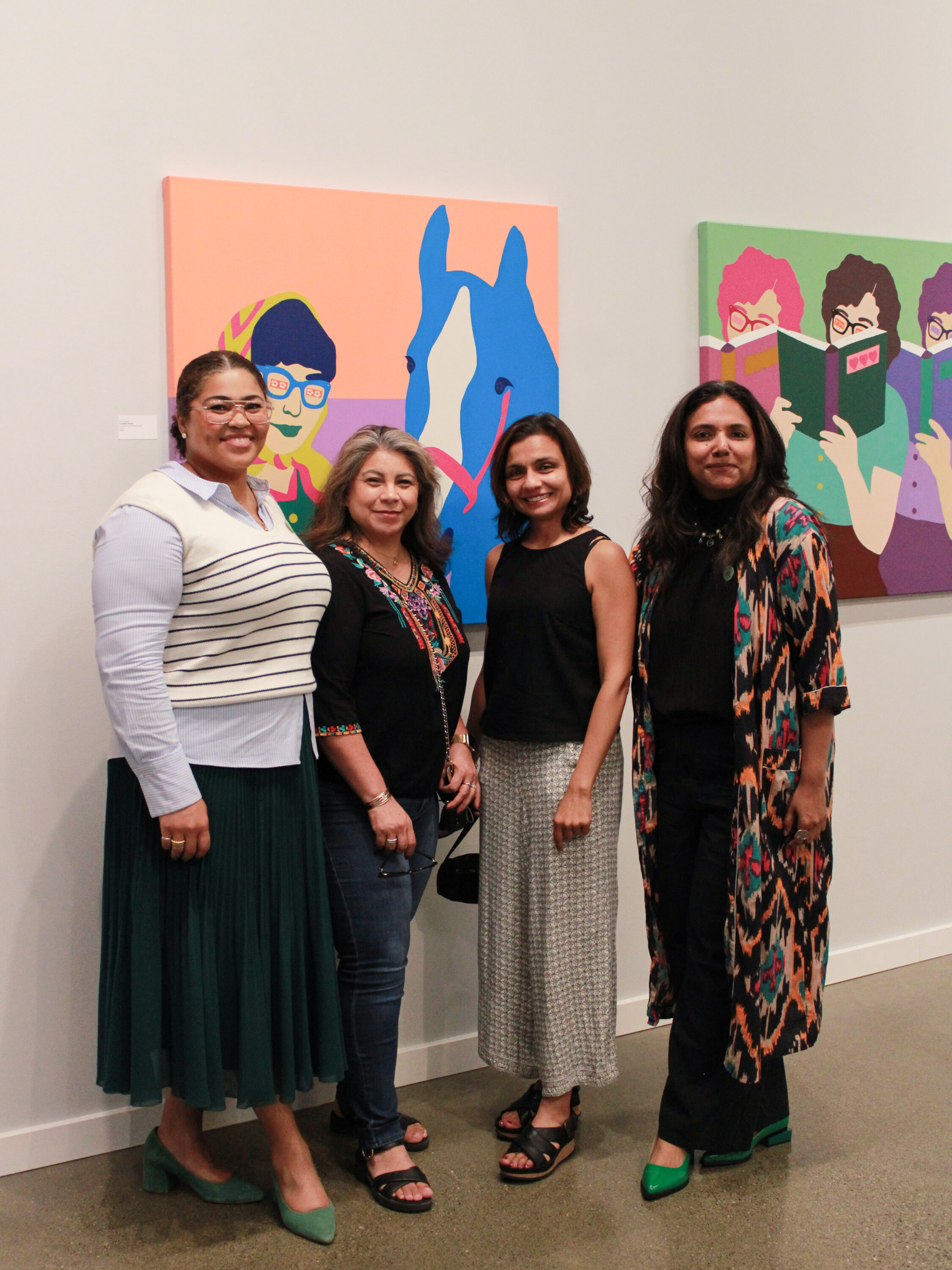
Building Momentum: Partners Ground Strategy in the Equitable Results Series
Session 2: Aligning on Results, Populations, and Indicators
Results Statement: A Common Goal, Differentiated by Population
Each CAN worked to sharpen its Results statement—the condition of well-being we are pursuing for a whole population by a defined year. The richest discussion came in differentiating between the universal population (the whole group of young people the result speaks to) and the focus population (those for whom outcomes are most inequitable today, and where targeted strategies are most needed). Naming both with intention is what keeps the work universal in ambition and equitable in design.
Core Indicators & the CAN Data Menu
With Results statements in view, groups used the CAN Data Menu to determine the core indicators that will tell us whether the condition of well-being is actually improving. These indicators—paired with a baseline and source—are what make a Results statement measurable rather than rhetorical, and they set the stage for the performance measures each CAN will commit to in the coming school year.
Scoping Phase vs. Implementation Phase
The workshop block of the meeting was used to double down on where each group actually is along the ERS Pathway. Irrespective of where the CANs are, scoping involves naming key factors, mapping what each organization brings to the table, and validating the focus population—while implementation involves translating those key factors into universal and targeted strategies, validating those strategies with the focus population, and running small tests of change within partner environments to assess their efficacy through data before scaling them more broadly. What matters most is that each CAN is clear and aligned on the phase it is in. Getting honest about the phase a group is in fine-tuned the next steps in a way that one-size-fits-all planning never could.
Equity Stance: Who Is Being Centered?
Across every CAN, partners held the same question at the front of the work: Who is being centered, and who will be better off as a result? Asking it during strategy design—not after—is how Eastside Pathways keeps alignment from becoming alignment for its own sake, and how we stay accountable to the children, youth, parents, and caregivers most impacted by the conditions we are trying to change.
Session 2 marked a meaningful turn in this series—from diagnosing the system to grounding our work in shared results, populations, and indicators. As the ERS framework reminds us, CANs are a space to explore, develop, test, and study—and it is ultimately on leaders to institutionalize and systematize the solutions in their areas of impact.
In Session 3, happening the last week of May, we will take a deep dive into Performance Measures—where each CAN defines its implementation scope, decision-makers, and the cross-organizational supports needed to bring this strategy to life. We invite all partners to join us as we continue moving from talk to action. This work moves at the speed of trust and engagement—and your participation is essential. Together, we can build strong, reliable pathways that support children, youth, and their parents and caregivers across our community.