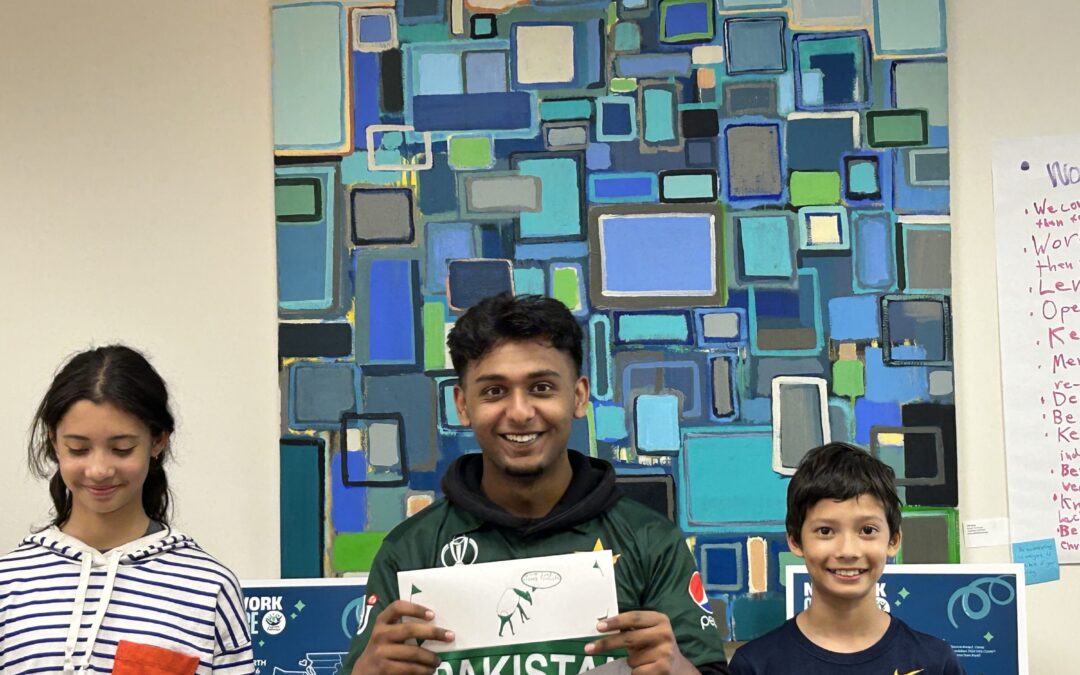
At Eastside Pathways, we know that meaningful systems change happens when those closest to the challenges are empowered to help design the solutions. During our 3rd Youth Council meeting, this year’s cohort took an important step from identifying issues they care about to building the foundation for real research, advocacy, and action.
For our partners, funders, and community leaders, this work represents something larger than a youth leadership program. These young people are helping us understand how today’s systems are—or are not—meeting the needs of youth and families. The questions they ask, the data they gather, and the recommendations they develop have the potential to inform future investments, policies, and practices across East King County and beyond.
Building the Skills to Lead Change
The day began with a series of team-building challenges designed to strengthen communication, collaboration, and problem-solving skills.
Through activities like the Line Up Challenge, where participants communicated entirely without speaking, and Traffic Jam, a complex team strategy game, youth practiced navigating conflict, adapting to changing circumstances, and working together toward a common goal. These exercises mirrored the realities of community change work: progress requires listening, persistence, flexibility, and learning from mistakes.
The team building concluded with a creative team-naming exercise called Mascot Mashup, giving each project group a unique identity and a sense of ownership over the work ahead.
While these activities were fun and engaging, they also reinforced a larger lesson: solving community challenges requires both strong relationships and strong teamwork.
Moving from Passion to Evidence
With guidance from Eastside Pathways’ Data, Research, and Policy Director, Payton Richardson, Youth Council members began exploring one of the most important questions in community impact work:
How will we know if our efforts are making a difference?
As collective impact practitioners know, passion alone is not enough to create sustainable change. Effective solutions require an understanding of outcomes, data, and continuous learning.
Youth leaders explored how organizations measure success through performance indicators such as academic achievement, technology access, service utilization, and community engagement. They also discussed the many ways data can be collected, including surveys, observations, focus groups, interviews, and community outreach.
Importantly, the group acknowledged that no dataset tells the complete story. Data helps us identify trends and patterns, but meaningful change requires combining numbers with lived experience.
Payton challenged students to remain focused on one guiding question as they move forward. By narrowing their scope, the teams will be better positioned to gather meaningful information, identify root causes, and develop actionable recommendations.
Using an Equity Lens
Youth Council members were introduced to Anne E. Casey’s Equitable Results Framework, a tool used by many of our community partners to identify opportunities for systems change.
The framework asks teams to consider:
- Which cradle-to-career outcome they want to influence
- Who is impacted by the issue
- Which population should be prioritized in solution design
- What key factor drives the challenge
- Where intervention could have the greatest impact
- How success will be measured
This approach encourages youth to think beyond individual experiences and explore broader systems, structures, and patterns that shape outcomes for children and young people.
Four Emerging Areas of Inquiry
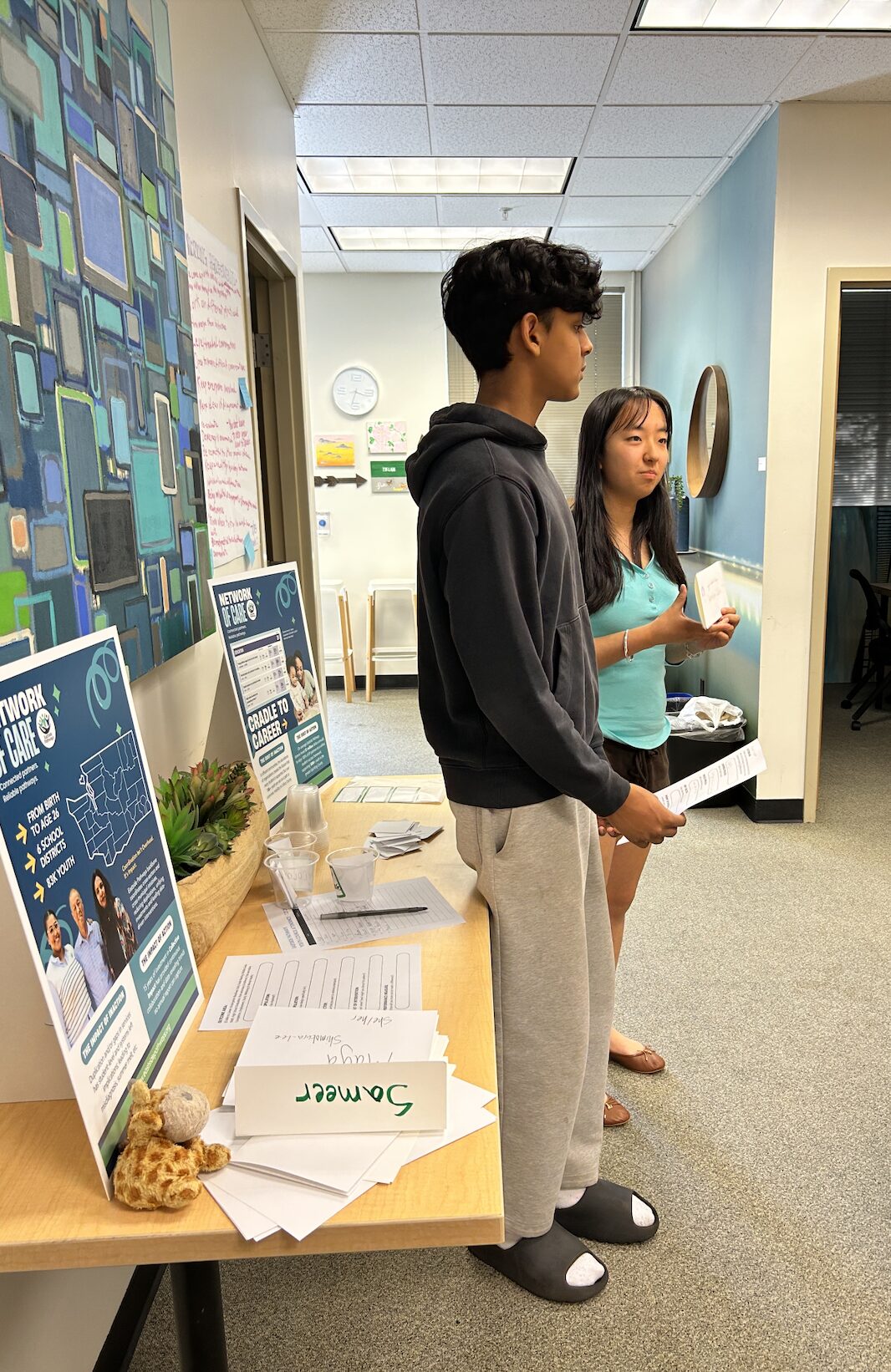
After identifying the issues they believe most impact young people, the Youth Council organized into four research teams.
Team: Hyper-Contextual Fluency Vermillion Lions
Focus Area: Accessible Transportation
Outcome Area: Equity
This group is exploring how transportation access affects opportunity, especially for low-income youth. Team members are interested in understanding barriers to mobility and increasing awareness and utilization of free transportation resources.
Potential areas of impact include:
- Expanding transportation options in underserved communities
- Increasing awareness of programs like Metro Flex
- Improving access to public transit passes
- Strengthening connections between youth and transportation resources
Team: Adventurous Blue Wolves
Focus Area: Housing Insecurity
Outcome Area: Wellbeing
The Blue Wolves are examining how housing instability affects young people’s ability to thrive. Their work is centered on understanding whether youth have reliable access to basic needs, including shelter, food, hygiene supplies, and other necessities that contribute to overall wellbeing.
Their research will prioritize learning directly from youth experiencing housing insecurity and those currently receiving services.
Team: Green Realistic Tapirs
Focus Area: Education and School Engagement
Outcome Area: High School Graduation
This team is exploring factors that contribute to student disengagement and dropout rates. They are interested in understanding what interventions, supports, and relationships help young people remain connected to school and continue on a path toward graduation.
Their work reflects a growing recognition that academic success is deeply connected to mental health, support systems, and access to resources.
Team: Creative Maple Dogs
Focus Area: Support Systems
Outcome Area: Wellbeing & Mental Health
The Creative Maple Dogs are investigating how support networks and resources help students succeed both academically and personally. Their work will examine whether young people have the tools, relationships, and services necessary to navigate challenges inside and outside the classroom.
Their focus highlights a critical question for many schools and community organizations: What additional supports help young people move from surviving to thriving?
Why This Matters
As Eastside Pathways celebrates 15 years of bringing communities together to improve outcomes for children and youth, we are continually reminded that young people are not just beneficiaries of change—they are experts in their own experiences.
The themes selected by this year’s Youth Council align closely with issues our region continues to grapple with: transportation access, housing stability, educational success, and mental health. These are challenges our partners, schools, municipalities, nonprofits, and funders are actively working to address.
Over the coming weeks, Youth Council members will gather data, engage their peers, analyze findings, and develop recommendations. We anticipate their insights will help inform conversations across sectors and contribute to our shared understanding of what young people need to succeed from cradle to career.
For our donors and partners, your investment makes this work possible. By supporting youth leadership and elevating youth voice, you are helping create opportunities for the next generation of community leaders to identify challenges, explore evidence-based solutions, and influence the systems that shape their futures.
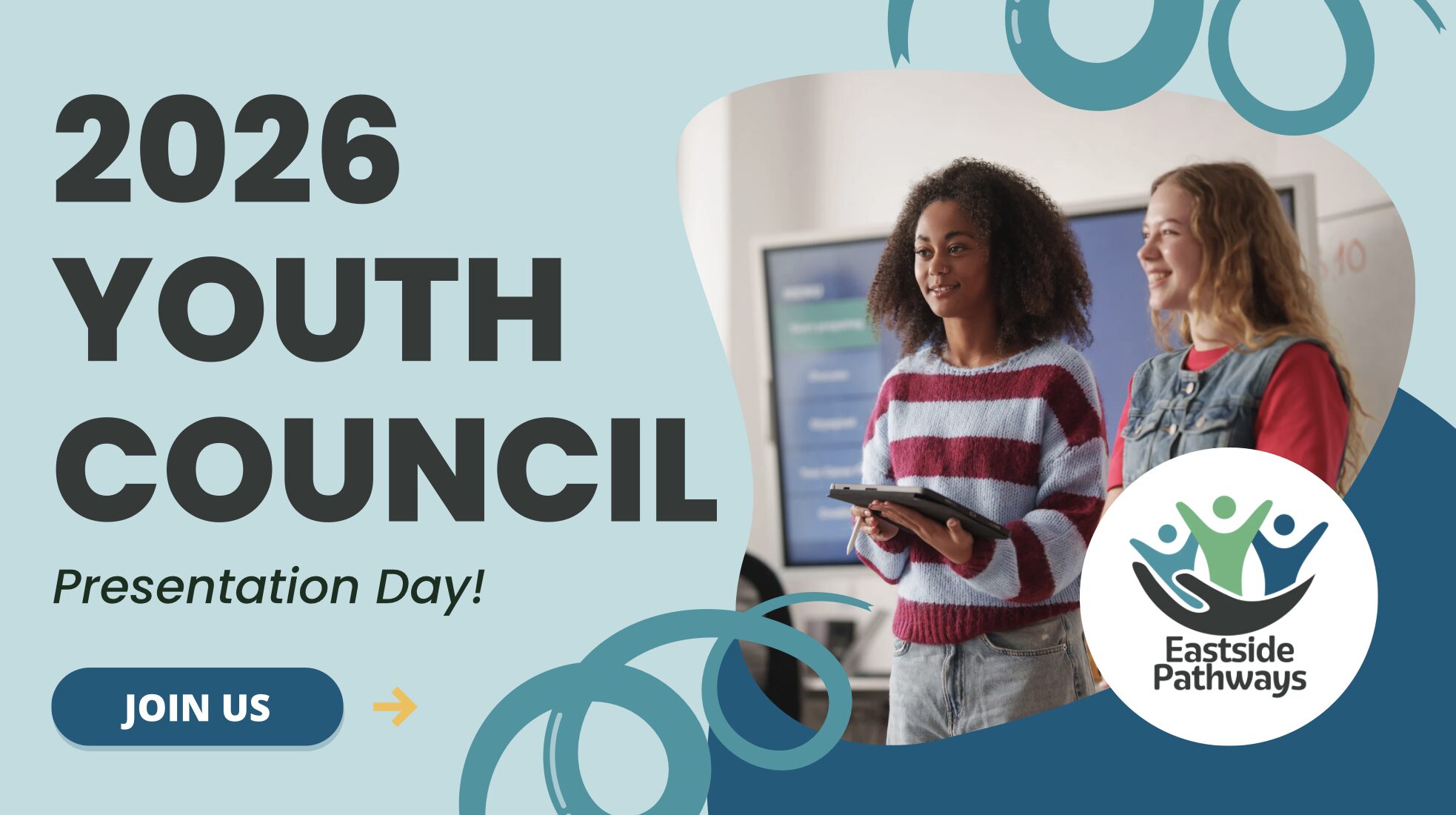
August 24, 2026
3:30 PM – 5:00 PM
Crossroads Park Community Center
16000 NE 10th St
Bellevue, WA 98008